
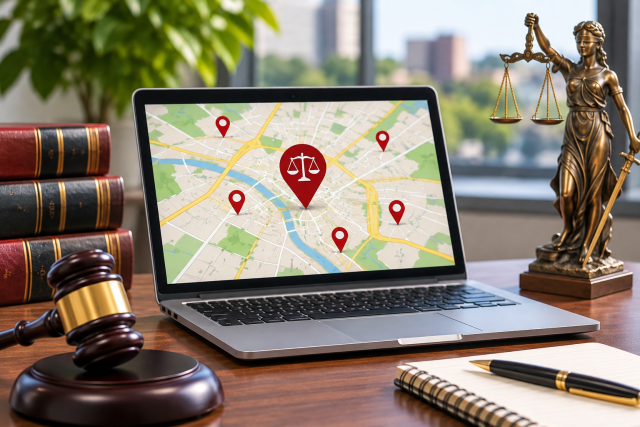
When someone suffers an injury in an accident, finding a trustworthy attorney often becomes a priority. Most people begin their search online, looking for legal professionals who understand their situation and serve their community. This makes local visibility an important part of any law firm’s digital marketing strategy. Investing in personal injury law firm SEO can help attorneys reach potential clients searching for legal assistance in specific cities, counties, and surrounding areas.
At JNJY, LLC, our team understands how location-specific content can strengthen a law firm’s online presence. Creating informative pages and articles focused on local legal concerns allows firms to connect with relevant audiences while building credibility. Rather than relying entirely on broad legal topics, attorneys can develop content that reflects the communities they serve and the questions prospective clients frequently ask.
Why Personal Injury Law Firm SEO Matters for Local Visibility
Personal injury law firm SEO helps legal websites become more relevant to people searching for injury attorneys in particular geographic areas. Someone injured in a vehicle collision may search for a car accident lawyer in their city rather than simply searching for general information about personal injury law. Location-specific content helps connect these searches with appropriate legal services.
Search engines consider several factors when presenting local results, including relevance, distance, and prominence. Publishing helpful information about local legal concerns can support website relevance, although content alone does not determine rankings. A comprehensive SEO approach should also consider website usability, accurate business information, and clear service descriptions. By addressing geographic search intent, law firms can create a more useful experience for people seeking nearby representation.
How Location-Specific Content Attracts Potential Clients
A successful personal injury law firm SEO strategy should focus on reaching people who may genuinely need legal assistance. Location-specific articles help accomplish this by addressing questions related to particular communities, state laws, and regional legal procedures. Someone searching for information about an accident in a specific county may find a locally relevant article more helpful than a general explanation covering the entire country.
For example, a firm could publish educational content about state accident reporting requirements, local court procedures, or insurance rules affecting residents. These articles provide opportunities to answer practical questions while introducing readers to the firm’s services. Effective localized legal marketing connects useful information with the needs of people in specific service areas. The goal is to create content that feels relevant and informative rather than promotional or repetitive.
Building Trust Through Community-Focused Legal Information
Trust plays an important role when someone chooses a personal injury attorney. Potential clients may be dealing with medical expenses, missed work, insurance questions, and uncertainty about their legal rights. They want clear information from professionals who understand the laws affecting their circumstances. Personal injury law firm SEO can support trust-building efforts by encouraging firms to publish accurate, educational content tailored to local audiences.
A location-focused article might explain how state negligence laws affect injury claims or describe what residents should know about applicable filing deadlines. These subjects help demonstrate familiarity with relevant legal issues without making promises about case outcomes. Content should remain accurate, easy to understand, and appropriately reviewed by qualified legal professionals. Providing reliable explanations can make a website more useful and encourage readers to explore additional information about the firm’s services.
Targeting Geographic Keywords With a Clear Purpose
Keyword selection is an important part of personal injury law firm SEO because different searches reflect different needs. Someone searching for a personal injury lawyer in a particular city may be closer to requesting a consultation than someone researching general accident statistics. Understanding this distinction helps firms create pages that match what readers are trying to accomplish.
Geographic keywords can include city names, county names, neighborhoods, and relevant regional phrases. However, these terms should appear naturally within meaningful content. Repeating a location excessively or creating nearly identical pages for multiple communities can reduce the usefulness of a website. A thoughtful keyword research strategy helps identify search topics that align with the firm’s services and actual geographic reach. Each page should provide distinct information that benefits its intended audience.
Creating Dedicated Pages for Important Service Areas
Developing dedicated location pages can strengthen personal injury law firm SEO when a practice serves several communities. These pages give firms an opportunity to explain the services available to residents of particular cities or counties. They can also help visitors understand whether the firm handles cases in their area and how to request additional information.
An effective location page should include more than a city name and a general description of legal services. It might explain relevant state laws, describe the types of injury claims handled, and address questions commonly raised by local residents. Accurate contact details and clear consultation information also improve usability. Firms should avoid implying they maintain physical offices in locations where they do not. Honest geographic information supports transparency and helps potential clients make informed decisions.
Using Local Blog Topics to Support Search Visibility
Blogging provides another opportunity to improve personal injury law firm SEO through useful, location-relevant information. Unlike permanent service pages, blog articles can address narrower questions, legal developments, and educational subjects connected to specific communities. This allows firms to expand their content without making every page a direct advertisement for legal services.
For example, a personal injury firm might explain pedestrian accident concerns in an urban area, discuss bicycle safety laws, or describe how state insurance requirements affect accident claims. Articles about local legal procedures can also provide practical value. The strongest topics connect genuine reader questions with the firm’s practice areas. Publishing regularly can help build a collection of resources, but quality and accuracy should always take priority over the number of articles produced.
Connecting Location Content With Google Business Profiles
An effective personal injury law firm SEO strategy should consider how website content supports a firm’s broader local presence. Google Business Profiles allow eligible law firms to present important information such as business locations, contact details, operating hours, and services. Accurate profile information can help potential clients understand where and how a practice operates.
Location-specific website pages can complement these profiles by providing detailed explanations of services and relevant legal concerns. Consistent business information across a firm’s website and online listings also helps reduce confusion. However, publishing local content does not guarantee placement in Google’s local map results. Distance, relevance, prominence, and other factors influence local visibility. Firms should maintain accurate profiles while developing useful website content that reflects their actual service areas.
Avoiding Common Location-Based Content Mistakes
While personal injury law firm SEO offers opportunities for local growth, poorly planned content can create problems. One common mistake involves producing numerous pages that contain nearly identical information with only the city names changed. These pages may offer little value because they fail to address meaningful differences between communities.
Another concern is publishing inaccurate legal information. Personal injury laws, filing deadlines, and insurance requirements can vary by state. Articles should reflect applicable rules and receive appropriate review before publication. Firms should also avoid unsupported claims about settlements, experience, or likely case outcomes. Clear, factual writing helps maintain credibility. Location-specific content works best when every page serves a distinct purpose and provides information readers can use.
Measuring the Performance of Location-Specific Content
Tracking performance helps determine whether personal injury law firm SEO efforts are supporting meaningful marketing goals. Publishing content is only one part of the process. Firms should also review how visitors discover their websites, which pages attract attention, and whether readers take steps toward contacting the practice.
Google Search Console can provide information about search impressions, clicks, and queries associated with particular pages. Website analytics tools can help firms evaluate visitor engagement and consultation-related actions. These measurements may reveal which geographic topics attract relevant audiences and which pages need improvement. Reviewing performance over time allows firms to refine content, update older articles, and make informed decisions about future publishing priorities.
Building a Long-Term Local Content Strategy
Sustainable personal injury law firm SEO requires planning, consistency, and a clear understanding of the communities a practice serves. Rather than publishing disconnected articles, firms should develop a coordinated strategy that connects location pages, practice area information, and educational blog content. This creates opportunities for visitors to move naturally between related resources.
A strong content plan should also include periodic reviews to ensure legal information remains accurate. As services expand or community needs change, firms can update existing pages and develop new topics. Growth does not depend on publishing the greatest number of articles. It depends on providing relevant information, maintaining a trustworthy website, and making it easier for potential clients to understand the services available to them.
Contact Our Team Today
Investing in personal injury law firm SEO and location-specific content can help your practice build a stronger online presence and connect with people searching for legal assistance in your service areas. At JNJY, LLC, our team provides top-quality legal content marketing services designed to support online visibility, communicate your firm’s value, and strengthen long-term marketing efforts.
From geographic keyword research and localized content planning to professional blog writing and website updates, we help law firms develop strategies that reflect their services and marketing goals. Whether your practice serves one community or several locations, thoughtful content can create valuable opportunities to reach prospective clients.
Ready to strengthen your law firm’s local digital presence? Contact our team today to learn how our professional legal content marketing services can support your firm’s growth.